




















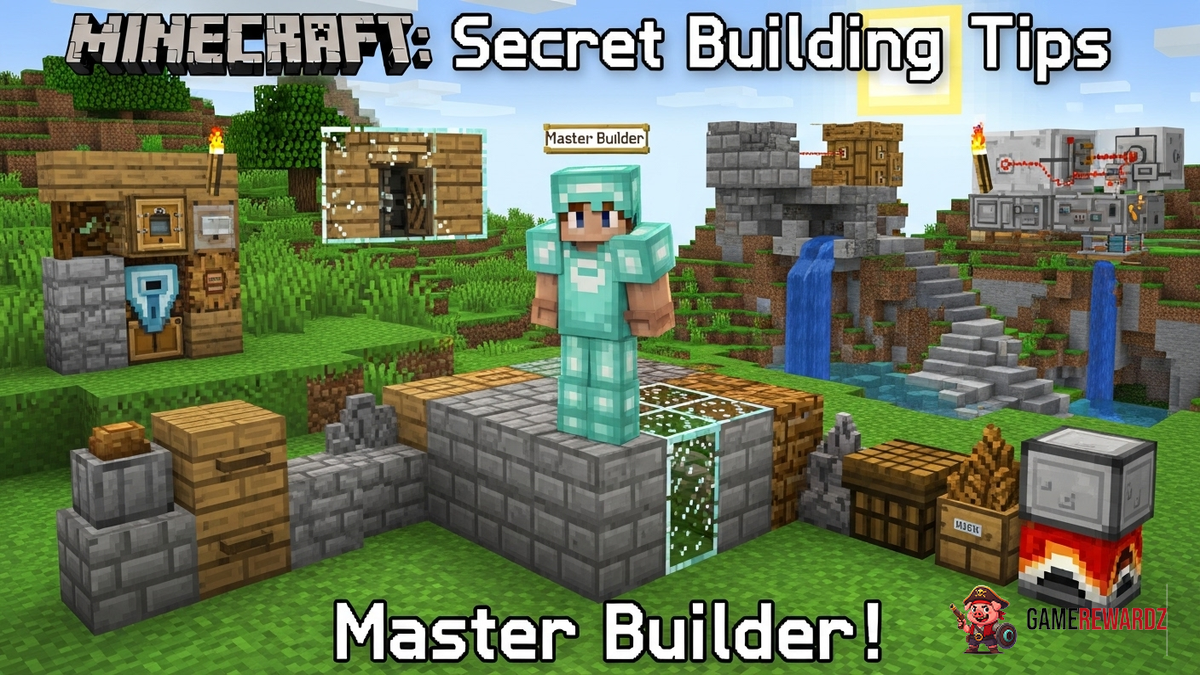
Okay, let's be real. You're not just placing blocks in Minecraft. You're crafting worlds. You're architecting dreams. You're probably spending way too much time on it, right? (Me too! Don't worry, this is a safe space.) But are you really maximizing your potential? Are you truly building like a master?
I initially thought I was pretty good. I mean, I could build a decent house, maybe even a slightly impressive castle. But then I stumbled upon some truly mind-blowing building techniques, and... well, let's just say my Minecraft world hasn't been the same since. I'm talking builds that make you question reality, builds that are so intricate they look like they were pulled straight from a fantasy novel. So, what’s the secret?
Beyond the Basics: Advanced Minecraft Building
It's not about the blocks. Okay, it is about the blocks, but it's more about how you use them. It's about thinking outside the, uh, block. Think about the way real-world architects approach design. They don't just slap walls together; they consider things like form, function, texture, and light. And you know what? We can do that in Minecraft too!
One of the first things that blew my mind was the concept of depth. Instead of flat walls, try using different blocks to create layers and textures. Cobblestone walls with stone brick accents? Yes, please! Adding logs that jut out slightly? Genius! It's amazing how a few small changes can make a huge difference. And don't even get me started on the power of stairs and slabs... they're your best friends when it comes to adding detail and creating interesting shapes. Check this game out!
Here's a pro tip: explore different block combinations. Don't be afraid to experiment and see what works. Try mixing seemingly incompatible blocks together. You might be surprised at the results.
Lighting and Atmosphere: Setting the Stage
Lighting can make or break a build. Torches are fine for basic illumination, but if you really want to create a mood, you need to get creative. Lanterns, glowstone, sea lanterns, and even cleverly hidden lava can all be used to create different effects. And consider the color of your light source. For example, a dimly lit, red-hued room can feel cozy and inviting, while a brightly lit, white room can feel sterile and modern.
But it's not just about the light itself. It's also about how the light interacts with the environment. Think about shadows. Think about reflections. Think about how light can be used to highlight certain features of your build and conceal others. I've got to admit, this part fascinates me. You can check out this site to get some ideas.
And speaking of atmosphere, don't underestimate the power of landscaping. A well-placed tree, a babbling brook, or even a simple patch of flowers can add a touch of realism and beauty to your build.
Secret Building Techniques for the Minecraft Master Builder
Okay, here's where things get really interesting. These are some of the more advanced techniques that I've learned over the years. And fair warning, they can be a little tricky to master, but trust me, they're worth the effort.
First up: Negative Space. This is a technique that's often used in art and design, and it involves using empty space to create a sense of balance and harmony. In Minecraft, this could mean leaving gaps in your walls or creating open areas within your build. The goal is to create a visual contrast that draws the eye and makes your build more interesting.
Next: Terraforming. This is the art of reshaping the landscape to suit your needs. It can involve anything from flattening a mountain to creating a valley. The key is to make it look natural. Use different types of blocks to create a sense of texture and depth, and be sure to blend your terraforming seamlessly with the surrounding environment. And always remember to use world edit to expedite these processes!
Finally: Detailing. This is where you really get to show off your creativity. Add small details to your build that make it feel more lived-in and authentic. This could include things like furniture, decorations, and even just small imperfections. The goal is to create a build that tells a story and feels like it's been there for a long time. You should consider using the debug stick in these situations. It's an interesting tool, and it's very helpful.
Speaking of stories, this reminds me of when I tried to build a replica of my childhood home in Minecraft. It was a disaster! The proportions were all wrong, the details were off, and it just didn't feel right. But the process taught me a lot about the importance of planning and attention to detail. Actually, that's not quite right: it taught me the importance of working slowly and being patient, as well as using references to build correctly!
Harnessing the Power of Redstone (If You Dare!)
Redstone...the bane of some players' existence and the holy grail of others. I fall somewhere in the middle. I'm not a redstone expert by any means, but I've learned enough to appreciate its potential. And it's true - redstone circuits allow you to create all sorts of amazing contraptions, from automated farms to complex traps to even fully functional computers. I mean, how cool is that?
If you're new to redstone, I recommend starting with the basics. Learn how to build simple circuits, like switches, repeaters, and comparators. Once you have a good understanding of the fundamentals, you can start experimenting with more complex designs. Also, you should go check out this website to get more ideas for your Minecraft builds! I remember when I first started with redstone, I tried to build a fully automatic door. It took me hours, and it was a complete mess. But I learned a lot in the process, and it was incredibly satisfying when I finally got it to work.
And don't be afraid to ask for help. There are tons of great tutorials and resources online, and the Minecraft community is always willing to lend a hand. You might be wondering, "How will this help me be a master builder?" Good question! The truth is, this may not help you with actual building necessarily. However, it can help you to make automated lights, doors, and other things that will increase the functionality and impressiveness of your builds!
FAQ: Minecraft Building Secrets
How do I know if my build looks good?
This is a tough one because taste is subjective! But a good rule of thumb is to step back and look at your build from a distance. Does it look balanced and harmonious? Are there any glaring flaws or inconsistencies? Get a second opinion from a friend or fellow builder. Fresh eyes can often spot things that you've missed. And don't be afraid to experiment and try new things. The most important thing is to have fun and be creative!
Why is my building block palette so limited?
It might feel that way! But Minecraft actually has a huge variety of blocks, each with its own unique texture and color. The key is to learn how to use them effectively. Try experimenting with different block combinations and see what works. Look at real-world architecture for inspiration. And don't be afraid to use unconventional blocks in creative ways. For instance, you could use wool to create soft, textured walls, or you could use glass to create a sense of transparency and openness.
What's the biggest mistake new builders make?
Planning, or lack thereof! Many new builders just start placing blocks without a clear plan in mind, and the results are often underwhelming. Take some time to sketch out your build before you start. Consider the size, shape, and layout of your building. Think about the materials you're going to use and how they will interact with each other. And don't be afraid to make changes as you go, but having a solid plan will help you stay on track and avoid costly mistakes. And here's something else to check out.
How do I make my builds look less boxy?
Ah, the dreaded boxiness! This is a common problem, but there are several ways to solve it. First, avoid using square shapes. Instead, try using more organic shapes, like curves and circles. Second, add detail to your walls and ceilings. This could include things like windows, arches, and columns. Third, use different types of blocks to create texture and depth. And finally, don't be afraid to use negative space to create a sense of balance and harmony.
The frustrating thing about Minecraft building is that there's no one right way to do things. But that's also what makes it so rewarding. It allows you to express your creativity and build things that are truly unique. So, keep experimenting, keep learning, and keep building! And most importantly, have fun!












![Peggle [FLASH] Game](https://www.gamerewardz.com/thumbs/peggle-flash-game_2.webp)